![[ Vitamin D<sub>2</sub> ]](VitaminD2.jpg)
![[ Vitamin D<sub>3</sub> ]](VitaminD3.jpg)
by Ben Best
[Many of the uncited facts below come from MODERN NUTRITION IN HEALTH AND DISEASE by M.E.Shils,et.al, Editors (Eighth Edition, 1994) and TOXICOLOGY LETTERS 102-103:5-18 (1998)]
RDA = Recommended Daily Allowance based on preventing acute nutrient deficiency disease conditions rather than based on amounts producing optimum health.
| Vitamin D2 | Vitamin D3 |
|---|---|
|
|
|
| UVB forms Vitamin D3 |
|---|
|
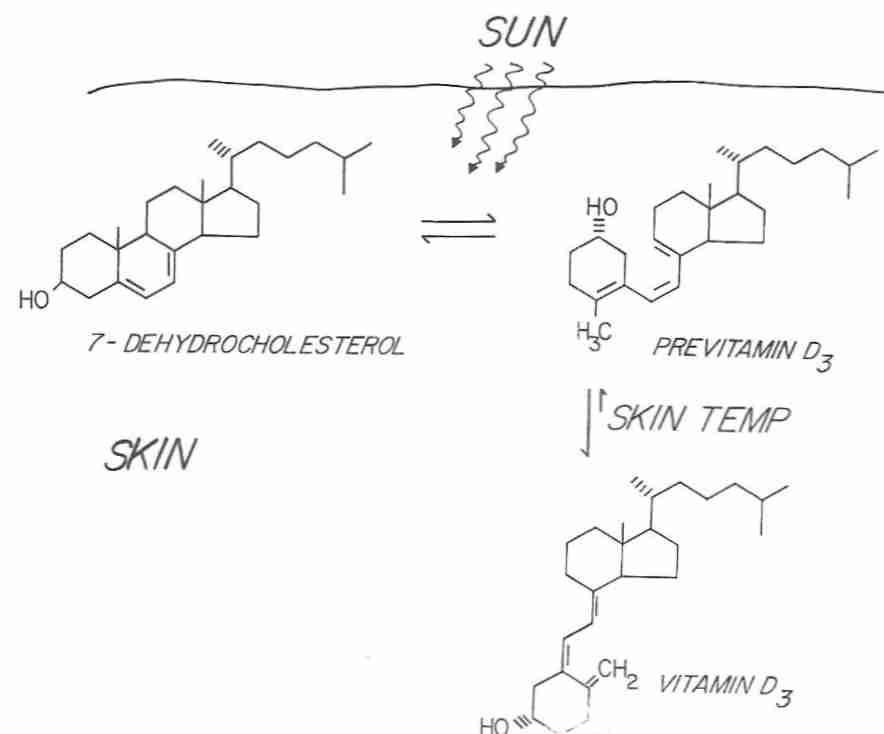
Vitamin D maintains serum calcium and phosphorous to support bone formation & maintenance, and other metabolic needs. Vitamin D (cholecalciferol, Vitamin D3 and ergocalciferol, Vitamin D2) is manufactured in the skin in response to sunlight (UltraViolet B, UVB). Both forms of Vitamin D are converted to active form in the liver or kidney by hydroxylation at the 25 position.
Vitamin D deficiency was rare prior to industrialization in Europe, after which the Vitamin D deficiency disease rickets began to appear increasingly in urban centers. Cod liver oil came to be used in as a folklore remedy for rickets in the eighteenth century. In 1920 Vitamin D was isolated in cod liver oil. In the 1930s Vitamin D fortification of milk became a common practice in Europe. Only a few foods (egg yolk, fatty fish, and fish liver) are rich in Vitamin D. Avoidance of solar radiation (including use of sunscreens) to prevent skin cancer and skin wrinkling also limits the amount of Vitamin D formed in the skin by sunlight.
Recently Vitamin D in doses larger than those required to prevent rickets has been shown to have a variety of other health benefits. As a negative regulator of renin synthesis, Vitamin D3 can reduce high blood pressure [JOURNAL OF STEROID BIOCHEMISTRY & MOLECULAR BIOLOGY; Qiao,G; 96(1):59-66 (2005)]. Vitamin D can suppress a number of autoimmune diseases (including rheumatoid arthritis and type 1 diabetes) so long as calcium intake is adequate [THE FASEB JOURNAL; Deluca,HF; 15(14):2579-2585 (2001)]. Vitamin D3 may inhibit production of the pro-inflammatory cytokine Tumor Necrosis Factor−alpha (TNF−α) [EUROPEAN JOURNAL OF IMMUNOLOGY; Zhu,Y; 35(1):217-224 (2005)]. Doses of 800 IU Vitamin D3 with 1,200 mg calcium daily has reduced hip fractures in elderly women by 42%, and lowered the risk of type 2 diabetes by a third, whereas lower does have not shown these effects [THE NEW ENGLAND JOURNAL OF MEDICINE; Holick,MF; 357(3):266-281 (2007)]. Vitamin D can help keep calcium onto bones and out of blood vessels [AMERICAN JOURNAL OF CLINICAL NUTRITION; Neives,JW; 81(Suppl):1232S-1239S (2005)]. Vitamin D3 (1,100 IU daily) with calcium (1,400-1,500 mg daily) was shown to substantially reduce all-cancer risk in a study of postmenopausal women [AMERICAN JOURNAL OF CLINICAL NUTRITION; Lappe,JM; 85(6):1586-1591 (2007)]. Vitamin D3 may be particularly useful against breast cancer [JOURNAL OF NUTRITION; Welsh,J; 133(7):2425S-2433S (2003)]. Vitamin D3 induces expression of cystatin D, leading to tumor suppression of colon cancer [THE JOURNAL OF CLINICAL INVESTIGATION; Alvarez-Diaz,S; 119(8):2343-2358 (2009)].
Vitamin D synthesis in the skin declines with age, so 800-1000 IU per day may be required for bone health in people over age 65. Adults with Vitamin D deficiency have muscle weakness, and are thus more likely to fall and fracture bones [AMERICAN JOURNAL OF CLINICAL NUTRITION; Neives,JW; 81(Suppl):1232S-1239S (2005)]. But excessive Vitamin D can result in calcification of soft tissues in the body as well as skeletal malformation [ TOPICS IN COMPANION ANIMAL MEDICINE; Cline,J; 27(4):159-164 (2012)].
In response to microbial infections, Vitamin D3 induces genes that promote innate immunity [THE JOURNAL OF CLINICAL INVESTIGATION; Schauber,J; 117(3):803-810 (2007)]. Incidence of common cold is inversely related to serum Vitamin D levels, with the most protection provided by serum levels of at least 30 ng/mL [ARCHIVES OF INTERNAL MEDICINE; Ginde,AA; 169(4):384-390 (2009)]. Vitamin D3 regulates T−lymphocyte development and migration, and can thereby reduce the risk of developing infections [IMMUNOLOGY; Rosa,M; 134(2):123-139 (2011)].
In chronic infection there may be a danger that Vitamin D supplementation can cause dysfunction of the Vitamin D receptor, leading to immunosuppresion, reduced innate immunity, and autoimmune disease [ANNALS OF THE NEW YORK ACADEMY OF SCIENCES; Waterhouse,JC; 1173:757-765 (2009)].
The cardioprotective effect of vitamin D is believed to be mediated by its effect on inflammatory cytokines. But a 5-year study of over 15,000 subjects indicated that above serum levels of 21 nanograms/milliliter (50 nanomoles/liter) vitamin D is pro-inflammatory rather than anti-inflammatory [AMERICAN JOURNAL OF CARDIOLOGY; Amer,M; 109(2):226-230 (2012)].
Serum Vitamin D tends to be about half as high in winter months as it is in summer months — and reduced sun exposure has been correlated with many forms of cancer [ANTICANCER RESEARCH; Peterlik,M; 26(4A):2581-2588 (2006)]. Vitamin D2, the form of Vitamin D usually found in vitamin supplements, is only about one-third as potent as Vitamin D3. Excess Vitamin D can be toxic, leading to calcification of organs and soft tissues as well as kidney stones. But a review of human clinical trial data concluded that the limit of tolerable intake should be revised upward from 2,000 IU (50 micrograms) daily to 10,000 IU (250 micrograms) daily [AMERICAN JOURNAL OF CLINICAL NUTRITION; Hathcock,JN; 85(1):6-18 (2007)]. Retinol (Vitamin A) antagonizes calciferol (Vitamin D), decreasing serum calcium and increasing serum phosphorus by an unknown mechanism [JOURNAL OF NUTRITION; Rohde,CM; 135(7):1647-1652 (2005)], which means that more Vitamin D intake is required to compensate for the effects of Vitamin A. Vegans who avoid consuming fish and dairy products are advised to supplement with Vitamin D3.
Vitamin K is a lipid soluble (hydrophobic) vitamin which is important for blood coagulation, bone integrity (opposes osteoporosis) [PROCEEDINGS OF THE NUTRITION SOCIETY; Bugel, S; 62:839-843 (2003)] and blood vessel health (reduce vascular calcification) [JOURNAL OF NUTRITION; Geleijnse, JM; 134:3100-3105 (2004) and ARCHIVES OF INTERNAL MEDICINE; Cockayne,S; 166(12):1256-1261 2006)]. Vitamin K deficiency disease associated with fatal hemoorhage was discovered in 1929, resulting in its name (K for "Koagulation" — German). Vitamin K1 (phylloquinone) is found in many green vegetables, whereas Vitamin K2 (menaquinone) is found in organ meats, eggs & cheese — and is normally produced by intestinal bacteria. The common denominator of Vitamin K chemical function is the carboxylation of glutamate residues of proteins to form calcium-binding sites.
The isoprenoid side chains of Vitamin K2 (menaquinone) are designated MK−n, where "n" specifies the number of isoprenoid side chains. The MK−4 form of Vitamin K2 is very rapidly absorbed, but only remains in the bloodstream for a few hours. The higher menaquinones are more hydrophobic, and have longer half-lives. The bioavailability of MK−7 is 2.5 times better than Vitamin K1 over a 24−hour period, and 6 times better over a 96−hour period [BLOOD; Schurgers,LJ; 109(8):3279-3283 (2007)].
A three-year randomized, placebo-controlled study of Vitamin K1 supplementation (500 micrograms daily) in men & women aged 60 to 80 showed a reduction in the progression of insulin resistance in men taking the supplements, but the benefit was not seen for women [DIABETES CARE; Yoshida,M; 31(11):2092-2096 (2008)].
Five to ten servings of fruits and vegetables per day with calcium are recommended for adequate potassium, magnesium, Vitamin C, and Vitamin K to keep calcium off of blood vessel walls and to prevent osteoporosis [AMERICAN JOURNAL OF CLINICAL NUTRITION; Neives,JW; 81(Suppl):1232S-1239S (2005)].
Persons taking Vitamin E supplements are cautioned that Vitamin E
can antagonize Vitamin K
[see the comments near the bottom of
Vitamin E (Tocopherols and Tocotrienols)].
Centrophenoxine (Lucidril) & DMAE (DiMethylAminoEthanol) function to protect against free-radical oxidation. DMAE (which is found in high concentrations in sardines & anchovies) is claimed to facilitate production of the neurotransmitter acetylcholine (as is phospatidyl choline). Because acetylcholine (primarily from the nucleus of Meynert in the basal forebrain) acts as a neurotransmitter to stimulate the hippocampus, memory function can be improved somewhat by substances that facilitate acetylcholine production — particularly in Alzheimer's Disease patients. No cholinergic agonists have been successful in simulating this effect, but some acetylcholinesterase (acetylcholine-destroying enzyme) antagonists like tacrine have been.
DMAE is metabolized in the brain to form phosphatidyl-DMAE which becomes incorporated in nerve cell membranes where it is highly protective against hydroxyl free-radical damage. Loss of permeability of cell membranes with aging is correlated with dehydration, declining enzyme activity and increasing lipofuscin accumulation. This is most serious in the brain & heart because the cells in these tissues are non-dividing.
Centrophenoxine is an ester (carboxyl-linked dimer, ie, two molecules linked to a C=O group by a -O- connection) of p-chlorophenoxyacetic acid and DMAE. Centrophenoxine crosses the blood-brain barrier (BBB) much more effectively than DMAE alone, and once across the BBB the DMAE can be released by hydrolysis. Some early studies claimed that centrophenoxine reverses lipofuscin concentration in the frontal cortex and hippocampus in treated mice (lipofuscin concentration normally increases particularly dramatically in the CA3 cells of the hippocampus). Although there is evidence that centrophenoxine can significantly reduce the rate of lipofuscin accumulation, a more recent study concluded that already-formed lipofuscin cannot be eliminated [JOURNAL OF ANTI-AGING MEDICINE; Terman, A; 2(3):265-273 (1999)].
Procaine (an ingredient of Gerovital, GH-3) is broken-down in the body into para-aminobenzoic acid (PABA, sometimes called a B-vitamin) and DEAE (DiEthylAminoEthanol), which may function similarly to DMAE.
|
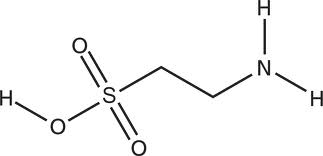
Taurine is the most abundant intracellular sulfur-containing amino acid, although it is not incorporated into proteins. Taurine is the most abundant amino acid in the mammalian heart, retina, and skeletal muscle. Taurine is also the most abundant amino acid in the developing brain, but later becomes second to glutamate. Significant taurine decline has been shown to occur in all areas of the aging rat brain [ADVANCES IN EXPERIMENTAL BIOLOGY AND MEDICINE; Dawson,R; 403:37-50 (1996)]. Taurine supplementation has been shown to improve memory acquisition and retention in aging mice [NEUROSCIENCE LETTERS; El Idrissi,A; 436(1):19-22 (2008)] and act as an anti-anxiety agent in rat models of anxiety; [BEHAVIORAL BRAIN RESEARCH; McCool,BA; 178(1):70-81 (2007) and PHARMACOLOGY, BIOCHEMISTRY, AND BEHAVIOR; Kong,WX; 83(5):271-276 (2006)].
Taurine can protect heart muscle by preventing intracellular Ca2+ overload by inhibiting the Na+/Ca2+-exchanger [EXPERIMENTAL & CLINICAL CARDIOLOGY; Xu,Y; 13(2):57-65 (2008)]. Heart failure patients given 500 milligrams taurine 3 times daily for two weeks showed increased exercise time, metabolic equivalent, and exercise distance compared to heart failure patients receiving placebo [JOURNAL OF CARDIOLOGY; Beyranvand,MR; 57(3):333-337 (2011)]. Taurine can protect against excessive blood clotting. In one study, eight days of 400 milligrams per day taurine supplementation increased resistance to platelet aggregation by 25%, whereas 1600 milligrams per day increased the threshold 72% [AMERICAN JOURNAL OF CLINICAL NUTRITION; Hayes,KC; 49(6):1211-1216 (1989)]. Taurine has been shown to protect cell cultures of endothelial cells from endothelial dysfunction [EUROPEAN JOURNAL OF NUTRITION; Ulrich-Merzenich,G; 46(8):431-438 (2007)]. Young human patients with type 1 diabetes who were given 500 milligrams taurine 3 times daily for two weeks showed reversal of endothelial dysfunction [DIABETES & VASCULAR DISEASE RESEARCH; Maloney,MA; 7(4):300-310 (2010)]. In some studies taurine has been shown to lower plasma triglycerides, reduce systolic & diastolic blood pressure, and to downregulate the inflammatory cytokine TNF−α [ATHEROSCLEROSIS; Wojcik,OP; 208(1):19-25 (2010)].
Taurine has been shown to protect heart muscle from cadmium-induced impairment of anti-oxidant enzymes [CHEMICO-BIOLOGICAL INTERACTIONS; Manna,P; 174(2):88-97 (2008)]. Taurine has also been shown to protect heart tissue from arsenic intoxication associated with apoptotic-stress pathway damage [TOXICOLOGY AND APPLIED PHARMACOLOGY; Ghosh,J; 240(1):73-87 (2009)]. Rats given 50 milligrams per kilogram taurine were protected against mitochondrial-mediated apoptosis in experimental stroke [AMINO ACIDS; Sun,M; 40(5):1419-1429 (2011)]. Taurine can protect the brain from alcohol-induced oxidative damage, and can protect against alcohol impairment of DNA methylation. A six-day study of healthy young men given 6 grams/day taurine showed reduced exercise-induced DNA damage [AMINO ACIDS; Zhang,M; 26(2):203-207 (2004)].
Taurine is the most abundant amino acid in leukocytes, and can neutralize the powerful oxidant hypochlorous acid. Taurine down-regulates pro-inflammatory cytokines in leukocytes, notably the transcription factor NF−κB [NEUROCHEMICAL RESEARCH; Schuller-Levis,GB; 29(1):117-126 (2004)]. Rats given 50 milligrams per kilogram taurine were protected against NF−κB-induced inflammatory reactions in experimental stroke [AMINO ACIDS; Sun,M; (2011)]. In a rat model of hypothyroidism, taurine significantly elevated glutathione levels in the kidney and liver [CELL BIOCHEMISTRY AND FUNCTION; Tas,S; 24(2):153-158 (2006)].
Taurine can be synthesized in the body (primarily in the liver) from methionine and cysteine with Vitamin B6 as a catalyst in the transsulfuration pathway connected to the Methionine Cycle. But most taurine is normally obtained from diet (from eggs, meat and seafood). Vegans normally have reduced taurine levels. Taurine supplements are best taken on an empty stomach.
Glutamine is the most plentiful free amino acid in the human body. Although glutamine is normally a nonessential amino acid, during injury and infection glutamine becomes "conditionally essential" because lymphocyte and cytokine production are dependent upon glutamine concentration [JOURNAL OF NUTRITION; Newsholme,P; 131(9 Suppl):2515S-2522S (2001)]. Following elective surgery and accidental injury, glutamine supplentation helps prevent a fall in intracellular glutamine concentration, and reduces the duration of hospitalization [JOURNAL OF NUTRITION; Wilmore,DW; 131(9 Suppl):2543S-2549S (2001)].
Plasma glutamine is increased in short-term exercise due to release from skeletal muscle, but following running a full marathon, plasma glutamine can fall as much as 25%, which can be associated with an increase in respiratory tract infections [SPORTS MEDICINE; Castell,LM; 33(5):323-345 (2003)].
Glutamine is a precursor for nucleotide synthesis, which makes glutamine availability important for rapidly dividing cells. Glutamine maintains heat shock protein (Hsp70) in granulocytes, monocytes, and lymphocytes, while also maintaining the anti-oxidant molecule glutathione in lymphocytes [JOURNAL OF NUTRITION; Newsholme,P; 138(10:2025SS-2031S (2008)]. High amounts of glutamine (30 grams per day) can be given without side effects [Ibid.].
Experiments on mice suggest that glutamine may protect against insulin resistance induced by a high-fat diet [JOURNAL OF NUTRITION; Opara,EC; 126(1):273-279 (1996)].
Cinnamon extract can lower blood glucose by improving cellular uptake and utilzation of glucose [DIABETES, OBESITY, AND METABOLISM; Kirkham,S; 11(12):1100-1113 (2009)]. Cinnamon extracts have been shown to prevent insulin resistance in rats fed a high fructose diet [HORMONE AND METABOLIC RESEARCH; Qin,B; 36(2):119-125 (2004)]. Cinnamon extract has insulin-like effects on gene expression, particularly increased gene expression of the GLUT1 glucose transporter [PHYTOMEDICINE; Cao,H; 17(13):1027-1032 (2010)]. Proanthocyanidin B2 from cinnamon bark is as effective as aminoguanidine for inhibition of the glycoxidation product pentosidine — and also strongly inhibits formation of the Advanced Glycation End-products (AGEs) CML and MGO [JOURNAL OF AGRICULTURAL AND FOOD CHEMISTRY; Peng,X; 58(11):6692-6696 (2010)].
|
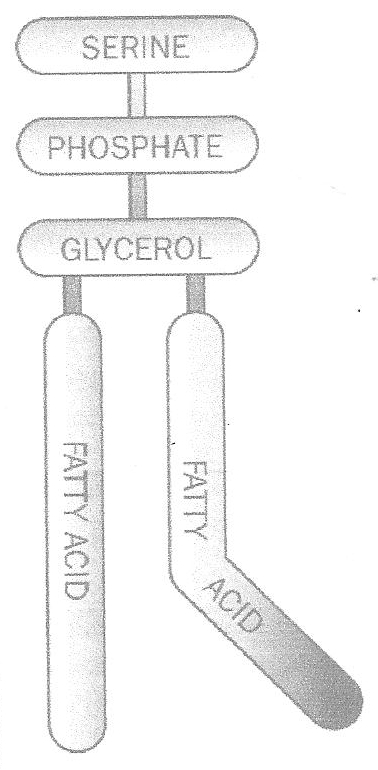
Phosphatidylserine is a phospholipid component of inner cell membranes, and is most concentrated in the brain where it constitutes 15% of the phospholipids.
Dosages of 100 mg/day or 300 mg/day phosphatidylserine equally improved delayed verbal recall (a memory function which declines in the earliest stage of dementia) in elderly Japanese subjects [JOURNAL OF CLINICAL BIOCHEMISTRY AND NUTRITION; Kato-Kataoka,A; 47(3):246-255 (2010)]. Aged rats given phosphatidylserine showed improved spatial memory compared to controls, evidently due to increased Na+/K+−ATPase activity and increased acetylcholine release [JOURNAL OF NUTRITION; Suzuki,S; 131(11):2951-2956 (2001)]. Middle-aged rats showed improved performance on a cognitive avoidance task when given phosphatidylserine [NUTRITION; Blokland,A; 15(10):778-783 (1999)]. Incorporation of phosphatidylserine into post-synaptic AMPA receptors in the brain enhances glutamate binding, which can facilitate learning and memory (Long Term Potentiation, LTP) [BRAIN RESEARCH; Gagne,J; 740(1-2):337-345 (1996)]. Healthy young humans showed increased speed in a memory performance task when Ginko biloba extract complexed with phosphatidylserine, but the relative contributions of the two components was not determined [HUMAN PSYCHOPHARMACOLOGY; Kennedy,DO; 22(4):199-210 (2007)]. Human subjects stressed with delayed auditory feedback showed reduced stress and improved cognitive performance when supplemented with 200 mg/day of phosphatidylserine for 42 days [NUTRITIONAL NEUROSCIENCE; Baumeister,J; 11(3):103-110 (2008)].
Healthy males given 600 mg/day phosphatidylserine for ten days showed a significant reduction in cortisol and an increased testosterone/cortisol ratio following moderately intense exercise [JOURNAL OF THE INTERNATIONAL SOCIETY OF SPORTS NUTRITION; Starks,MA; 5:11 (2008)]. Healthy active males given 750 mg/day phosphatidylserine for ten days showed a nearly 20% increase in time to exhaustion [MEDICINE & SCIENCE IN SPORTS & MEDICINE; Kingsley,MI; 38(1):64-71 (2006)].
In conjunction with calcium, phosphatidylserine activates protein kinase C. Liposomes of phosphatidylserine have been shown to reduce apoptosis in retinal neurons, which has been interpreted as an indication that phosphatidylserine can reduce central nervous system damage induced by ischemia-reperfusion [JOURNAL OF CEREBRAL BLOOD FLOW AND METABOLISM; Dvoriatchikova,G; 29(11):1755-1759 (2009)].
Another phospholipid, phosphatidylcholine (a major phospholipid in lecithin) has been shown to improve memory in mice with dementia [JOURNAL OF NUTRITION; Chung,S; 125(6):1484-1489 (1995)]. A review of small randomized trials of lecithin concluded that there is not enough evidence to support the use of lecithin for dementia or to justify large trials [COCHRANE DATABASE OF SYSTEMATIC REVIEWS; Higgins,JP;(3):CD001015 (2003)].
Mice fed diets devoid of PyrroloQuinoline Quinone (PQQ), but otherwise nutritionally adequate diets show impaired neonatal growth, whereas as little as 300 nanograms per gram of PQQ restores growth [JOURNAL OF NUTRITION; sTITES,TE; 130(4):719-727 (2000)]. Kiwi fruit, green pepper, parsley, and soy products (tofu,natto) are among numerous plant dietary sources of PQQ [Ibid.]. Human milk contains about 50 times as much PQQ as cow milk [Ibid.]. Rats fed a diet deficient in PQQ were metabolically deficient due to a reduced number of mitochondria [PLOS ONE; Bauerly,K; 6(7):e21779 (2011)]. PQQ increases mitochondrial biogenesis by activation of PGC-1α [JOURNAL OF BIOLOGICAL CHEMISTRY; Chowanadisai,W; 285(1):142-152 (2010)].
PQQ suppresses peroxynitrite formation [EUROPEAN JOURNAL OF NEUROSCIENCE; Zhang,Y; 16(6):1015-1024 (2002)]. PQQ and Vitamin E have reduced deficits in learning and memory in aged rats [JOURNAL OF NUTRITIONAL SCIENCE AND VITAMINOLOGY; Takatsu,H; 55(5):389-393 (2009)]. PQQ can induce DNA damage when combined with NADH and Cu2+ — an effect which is inhibited by catalase [FEBS LETTERS; Hiraku,Y; 393(2-3):317-320 (1996)]. High doses of PQQ (11.5 mg/kg) resulted in kidney damage in rats [HIROSHIMA JOURNAL OF MEDICAL SCIENCES; Watanabe,A; 38(1):49-51 (1989)]. But doses of 3 mg/kg or greater protected against ischemic injury to heart [JOURNAL OF CLINICAL PHARMACOLOGY AND THERAPEURICS; Zhu,BQ; 11(2):119-128 (2006)] or to cardiac myocytes exposed to hydrogen peroxide [BIOCHEMICAL AND BIOPHYSICAL RESEARCH COMMUNICATIONS; Tao,R; 363(2):257-262 (2007)]. Although PQQ and CoEnzyme Q10 synergistically improve memory under conditions of oxidative stress [JOURNAL OF CLINICAL BIOCHEMISTRY AND NUTRITION; Ohwada,K; 42:29-34 (2008)], normally improved learning with PQQ is believed to be independent of antioxidant action (PQQ increases production of nerve growth factor) [JOURNAL OF CLINICAL BIOCHEMISTRY AND NUTRITION; Ohwada,K; 42(1):29-34 (2008)]. PC12 cells pretreated with PQQ were significantly protected from methymercury toxicity [FREE RADICAL RESEARCH; Zhang,P; 43(3):224-233 (2009)].
Moved to FOLIC ACID
Moved to VITAMIN B12
Moved to VITAMIN B6
Moved to Betaine (TMG)
Moved to NIACIN
Moved to IODINE
Moved to MAGNESIUM
Moved to ZINC
![[GO TO BEN BEST'S HOME PAGE]](../homeback.gif) HOME PAGE
HOME PAGE